For Companions
Looking for a Side Gig That Actually Matters? Try Companion Care
Most side gigs pay you for your time. Companion care pays you for your time and leaves you feeling like you did something real. Here's what it's actually like.

There are a lot of ways to make money on the side right now. Drive for a rideshare app. Deliver groceries. Walk dogs. Flip things on Marketplace. Most of them pay reasonably well, flex around your schedule, and leave you feeling absolutely nothing at the end of the day.
That's the trade-off most side gigs make: flexibility for meaning. You get to set your own hours, but the work itself doesn't matter to you or to anyone once it's done.
Companion care is the exception. It's flexible. It pays. And when you leave a visit, you usually feel like something real happened.
What a typical day looks like
Here's what an actual companion care visit looks like, stripped of the brochure language.
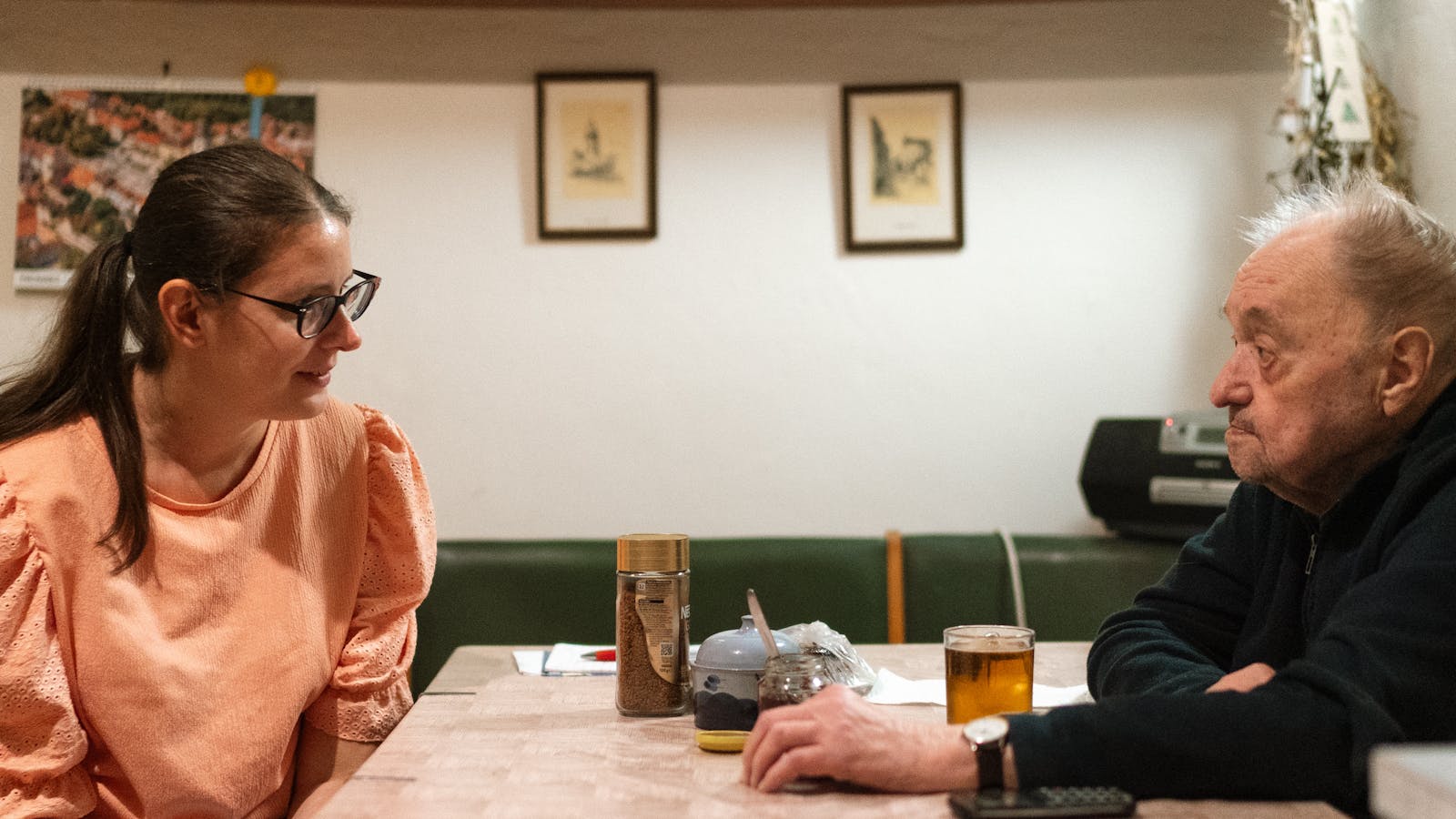
You show up at Margaret's house at 10am on Tuesday. She's been expecting you. The kettle is already on. You sit at the kitchen table, drink tea, and she tells you about the cardinal she saw on the fence this morning. You've heard the cardinal story before. You ask about the colour anyway.
After tea, you walk to the pharmacy together. She could probably go alone, but the sidewalk has a bad patch near the church and she's nervous about it. You pick up her prescription, stop at the bakery because she wants a baguette, and walk home.
Back at the house, you make lunch together. Soup from a can, toast, sliced apple. While she eats, you notice the fridge is thinner than last week. You make a mental note.
Before you leave, you play one round of Scrabble. She wins. She always wins. You text her daughter afterward: "Good visit. She seemed in good spirits. Fridge was a bit light, might want to check in about grocery delivery this week."
That's it. Two and a half hours. No medical procedures. No heavy lifting. Just presence, attention, and a report to the family.
Why this is different from other gig work
The obvious difference is that you see the same person every week. In rideshare, every passenger is a stranger. In delivery, every order is a transaction. In companion care, Margaret knows your name, remembers your sister's wedding, and saves newspaper clippings she thinks you'd like.
The relationship is the product. Not in a sentimental, greeting-card way. In a practical way. The reason companion care works is that a regular visitor who knows the person can notice changes that a stranger never would. You become a sensor the family trusts.
The other difference is what happens to you after the shift. After a rideshare shift, you're tired. After a delivery shift, you're tired. After a companion visit, you're sometimes tired, but you also feel like you did something that mattered to a specific human being. That feeling compounds. Three months in, you're not just doing a side gig. You're part of someone's week.
The money conversation
Let's talk pay, because this isn't a volunteer position.
Companion care in Canada typically pays between $18 and $28 per hour. At Halekin, the base rate starts at $20 per hour. That's competitive with most gig work in Canadian cities, and better than some.
How the math works out depends on your hours:
- 5 hours/week: roughly $420/month before tax
- 10 hours/week: roughly $840/month before tax
- 15 hours/week: roughly $1,260/month before tax
- 20 hours/week: roughly $1,680/month before tax
At Halekin, Kin are independent contractors. That means you handle your own taxes (set aside about 15-20% of your earnings for tax time) and you don't receive employer benefits. The trade-off is genuine flexibility: you set your availability, you're not locked into shifts, and you can adjust week to week.
Is this going to replace a full-time salary? Probably not, unless you're working 30+ hours a week. But as supplemental income that fits around school, another job, or family life, it holds up well.
The emotional reality
We should be honest about this part.
Most visits are pleasant. You drink tea, go for walks, play cards, have real conversations. It feels good. But some visits are hard. You'll visit someone who's grieving. Someone who tells you the same story three times in one hour because their memory is slipping. Someone who cries because they miss their husband. Someone whose house smells wrong and you're not sure what to do about it.
The hard visits aren't a failure of the job. They're part of it. The ability to sit with someone in a hard moment, without trying to fix it or flee from it, is one of the core skills of companion care. It's also one of the reasons the work feels meaningful. You are not performing a service. You are being present with a person.
If that sounds exhausting, it can be. Good platforms provide support for their companions: someone to talk to when a visit was tough, guidance on boundaries, training on what to escalate and what to hold. At Halekin, Kin have access to the team anytime they need to debrief.
Who does this work well
The people who tend to thrive as companions share a few traits:
- They like older adults. Not in a patronizing way. In a genuine, "I enjoy talking to someone who has lived eighty years and has opinions" way.
- They notice things. The fridge, the limp, the change in mood. Small observations are the core of the role.
- They show up. Reliability is everything. Missing a visit isn't like cancelling a delivery order. It's breaking a promise to someone who has very few things on their calendar.
- They can sit with discomfort. Not every visit is cheerful. The best companions can hold space without needing to fill it.
You don't need a healthcare background. You don't need a degree. You need to be the kind of person a family would trust in their parent's living room.
How to start
If you're in Canada and this sounds like the kind of work you've been looking for, Halekin is a good place to begin. The application takes about ten minutes. Onboarding includes a background check, an orientation on what companion visits look like, and a matching process that pairs you with clients based on location, availability, and compatibility.
You can start with as few hours as you want. Most Kin begin with two or three visits a week and adjust from there.
The gig economy has plenty of options for making money on the side. Most of them are fine. This one is the rare case where the work itself gives back something you can't invoice for.

For Companions
What Is a Companion? (And How Is It Different From Home Care?)
Companion care, home care, and PSW services overlap in confusing ways. Here's what each one actually means and which one your family needs.
6 min read
For Companions
How Companions Get Paid: Hours, Rates, and What to Expect
A transparent breakdown of companion care pay in Canada. Hourly rates, the contractor model, tax basics, and what your take-home actually looks like.
7 min read

For Companions
Flexible Companion Care Jobs in Canada: What to Know Before You Apply
Companion care is one of the fastest-growing roles in Canadian caregiving. Here's what the work actually looks like, who it's right for, and what to expect.
7 min read